
Professional Real Estate Photography vs. Phone Photos: What the Data Says
See the difference for yourself: view our recent work · see packages and pricing
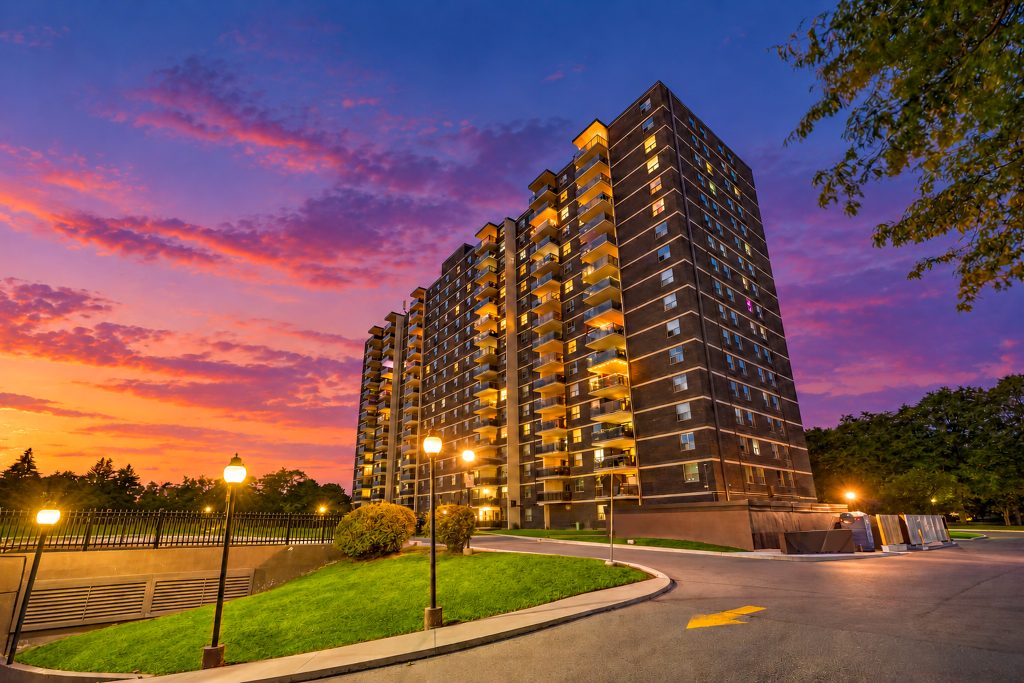
Before a buyer meets you, they meet your listing photos. In a few seconds, on a phone screen, they decide whether a home deserves a showing and whether the agent behind it looks trustworthy. Agents across the GTA often tell us their phone takes great photos, and modern phones really are impressive. This guide reviews what the research says about listing media, where phone-shot content tends to fall short, and why some of the most careful agents keep every photo and video of their listings with one trusted media team.
| Finding | Figure | Source (year) |
|---|---|---|
| Online buyers who call listing photos "very useful" | 81% | NAR Profile of Home Buyers and Sellers (2025) |
| Sellers' agents who say photos matter much more or more to clients | 88% | NAR Profile of Home Staging (2025) |
| REALTOR.ca visitors who click on listing photos | 88% | CREA (2020) |
| Sale price premium, professional vs. amateur photos ($200K–$1M homes) | $3,400–$11,200 relative to list | Redfin study (2013) |
| Sale speed, professional vs. amateur photos ($400K range) | About 3 weeks faster | Redfin study (2013) |
| Listings with fewer than 9 photos vs. 22–27 photos | About 20% less likely to sell in 60 days | Zillow Research (2015) |
| Median sale-to-list ratio for homes on market two weeks or less | 100% | NAR Profile of Home Buyers and Sellers (2025) |
| Agents and brokers ranking photo quality the most important brand feature | Nearly 75% | REAL Trends (2015) |
Do buyers really judge a home by its online photos?
Yes. Photos are the part of a listing buyers rely on most. In the National Association of REALTORS® 2025 Profile of Home Buyers and Sellers, 81% of buyers who used the web called listing photos "very useful," ahead of detailed property information (77%) and floor plans (57%). The median buyer searched for about 10 weeks, so most homes are compared against dozens of others before anyone books a showing.
Canadian data points the same way. CREA reports that 88% of visitors who view REALTOR.ca listings click on the photos, and people who open those galleries are twice as likely to contact a REALTOR®. Agents agree: in NAR's 2025 Profile of Home Staging, 88% of sellers' agents said photos matter much more or more to their clients, and 47% said the same about video.
Do professional photos help a home sell for more?
The best available evidence says they help, though the headline study is older. In a 2013 analysis, Redfin found homes listed between $200,000 and $1 million sold for $3,400 to $11,200 more relative to list price when professionally photographed. In the $400,000 range they also sold about three weeks faster. The sharpest 10% of listing photos sold at or above list price 44% of the time, versus 13% for listings with average sharpness.
Zillow's days-on-market analysis found a home with fewer than nine photos was about 20% less likely to sell within sixty days than one with 22 to 27 photos. A study in the Journal of Real Estate Finance and Economics also linked the number of interior photos in an MLS listing to both price and time on market.
A fair caveat. The Redfin study is more than a decade old and cameras have improved. These are correlations, not guarantees, and price and condition matter just as much. The point is not that a phone can never work. It is that the gap between "a photo" and "a photo that makes a buyer book a showing" is real, and buyers can see it instantly.
Why do phone photos and walkthroughs fall short?
Rarely because of the sensor. Usually because of light, lenses, editing and consistency.
Light and distortion
Interiors mix window light, warm bulbs and dark corners. A single exposure tends to blow out the windows or leave the room murky, and the colour shifts from room to room. Professionals shoot multiple bracketed exposures and blend them so the room looks the way a person actually sees it. The pair below shows the same space before and after our HDR editing.
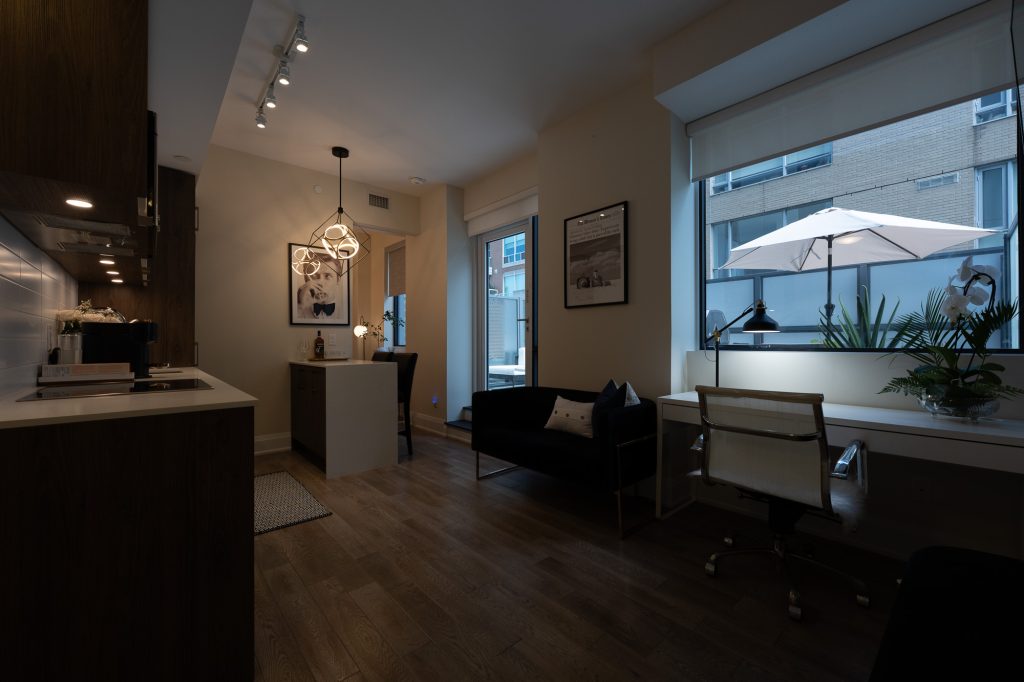
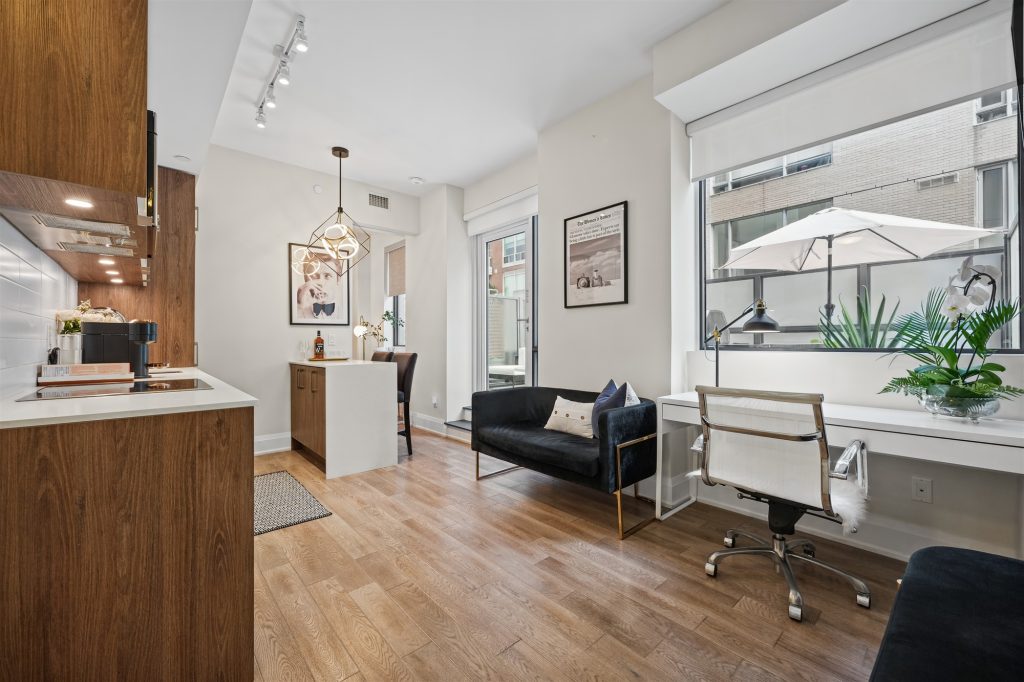
See more before-and-after results in our real estate photography samples.
Format and flow
The Wisconsin REALTORS® Association notes that vertical shots break the rhythm of a landscape listing gallery and that experts recommend hiring a professional for almost every listing. Social platforms, meanwhile, want vertical video. A phone clip usually serves one format or the other. A planned shoot captures for both from the start.
Video that is shaky, silent or too long
A handheld walkthrough with bumpy movement, mixed colour and no pacing feels like a showing recording, not a marketing piece. NAR's coverage of video advice (The 5 C's for Making Powerful Marketing Videos) stresses the basics: videos under a minute get the most engagement, the hook belongs in the first three seconds, and each video should carry one message. Those are editing decisions, not recording decisions.
How can poor media hurt the home and the agent?
It costs the home its early momentum and costs the agent credibility that lasts.
For the home
NAR's 2025 Profile of Home Buyers and Sellers shows a strong relationship between time on market and discount from list price: homes on the market two weeks or less sold for a median of 100% of asking, and the longer a home sits, the larger the discount tends to be. A listing that does not attract early clicks and showings loses its strongest selling window. Weak media is one of the few causes of a slow start that the agent fully controls.
For the agent
Listing media is advertising. A REAL Trends study reported that nearly 75% of agents and brokers ranked photo quality as the most important feature for their brand. In NAR's 2024 Profile of Home Buyers and Sellers, an agent's reputation was the top factor sellers weighed when choosing who would list their home, at 35%. Every phone-shot post stays on your feed for years. When a future seller scrolls back through your listings, they are judging how well you will market theirs.
What are the accuracy and compliance risks in Ontario?
Misleading or unlabelled edits can cost the sale, and in Ontario they can breach advertising rules. Buyers are increasingly wary of listings that look better online than in person. NAR's "catfishing" feature (February 2026) describes a buyer couple who backed out the moment they arrived at a home that did not match its pictures, and notes a mismatch can leave a seller with a lower offer.
RECO's Bulletin 5.3 on online advertising reminds registrants that advertising must not be false, misleading or deceptive, that brokerages are responsible for advertising compliance, and that using someone else's imagery requires the consent of the intellectual property owner, such as a photographer. RECO's October 2026 AI guidance says virtual staging and other AI-modified images must accurately reflect the property's permanent features and be clearly labelled as digitally altered. The PropTx MLS® Rules likewise prohibit digitally altered images, including AI-enhanced ones, that do not accurately depict the listed property.
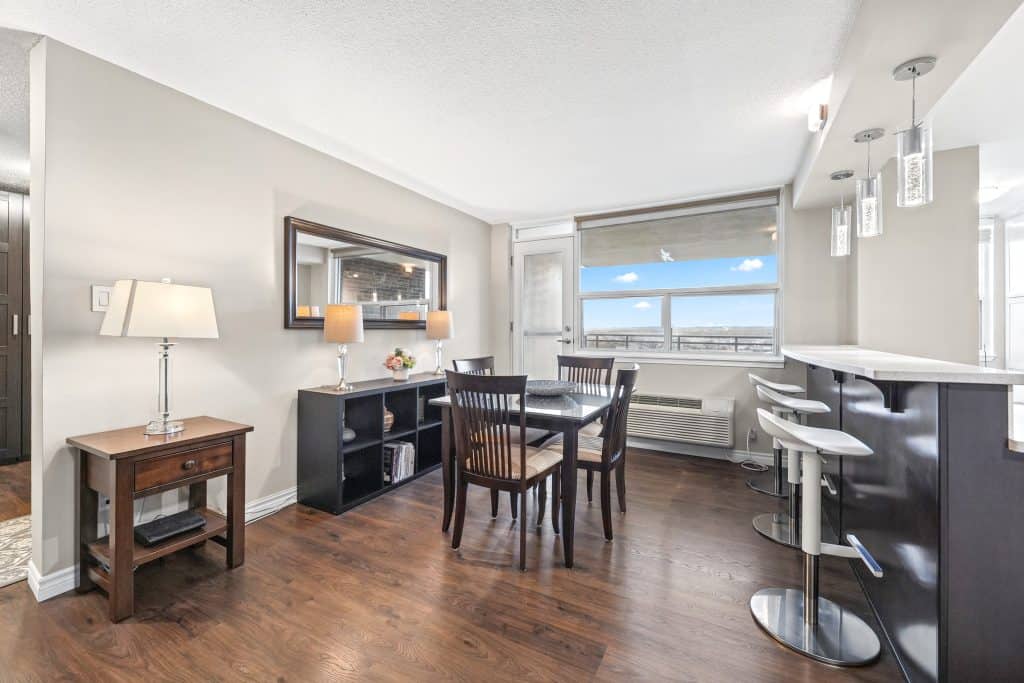
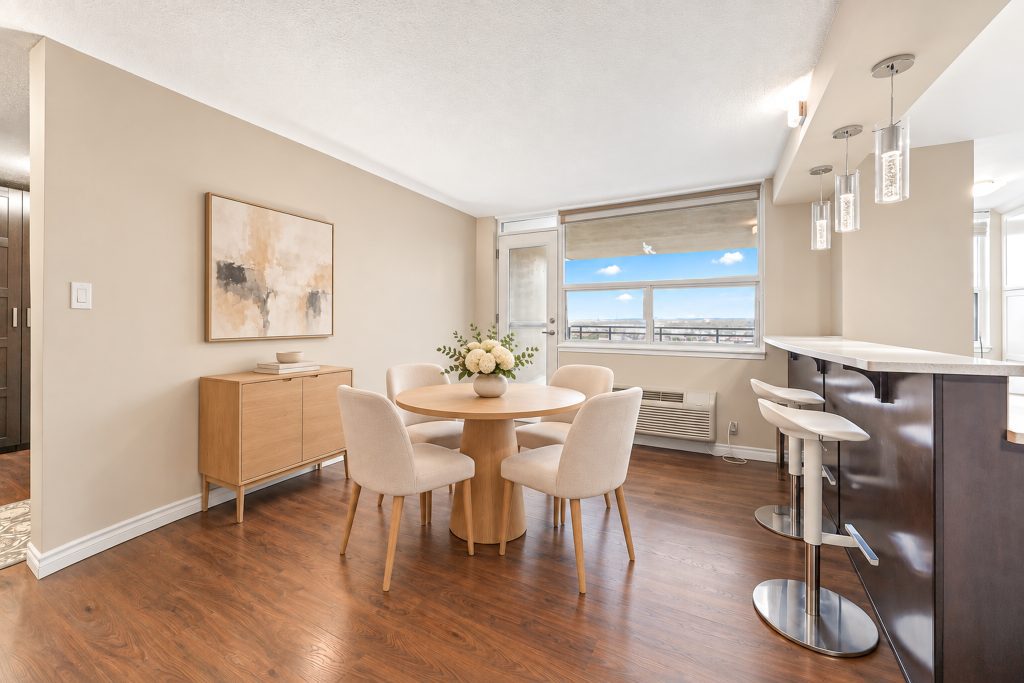
A professional team that edits consistently and honestly, and labels any virtual staging clearly, takes that burden off the agent. A rushed phone edit with a heavy filter or a replaced sky puts it squarely back on them. For the Toronto details, see our guides to TRREB's AI photo rules for virtual staging and virtual staging vs. professional staging.
Why do some agents keep all listing media in one trusted team's hands?
Because it protects brand consistency, accountability, usage rights and the first impression. Some top agents will not let anyone outside their media team photograph or film their listings, even a well-meaning colleague or the seller. Their reasons tend to fall into four groups.
- Brand consistency. The same colour grade, framing and pacing across every listing builds recognition. Mixed sources make a feed look like a bulletin board.
- Accountability. One team means one standard, one deadline and one person to call. There is no wondering whose version is live on the MLS and on social.
- Rights and permissions. Photos and video have an owner, and using them carries licensing expectations. A single provider with clear terms keeps usage clean across the MLS, websites and social channels. RECO's bulletin states that content created by others requires permission.
- Control of the story. Uncontrolled clips from showings, friends or sellers can reveal private details, show the home in a poor light or reach the public before the listing is ready. Controlled media makes sure the first look is the best look.
What does a professional listing media workflow include?
Planning, bracketed capture, careful editing, MLS-ready delivery and platform-specific cuts. It is not just a better camera. It is planned exposures for balanced light, wide-angle lenses, editing for colour and straight verticals, correct file sizes for the MLS, and a social cut made for the platform instead of squeezed from a landscape clip.
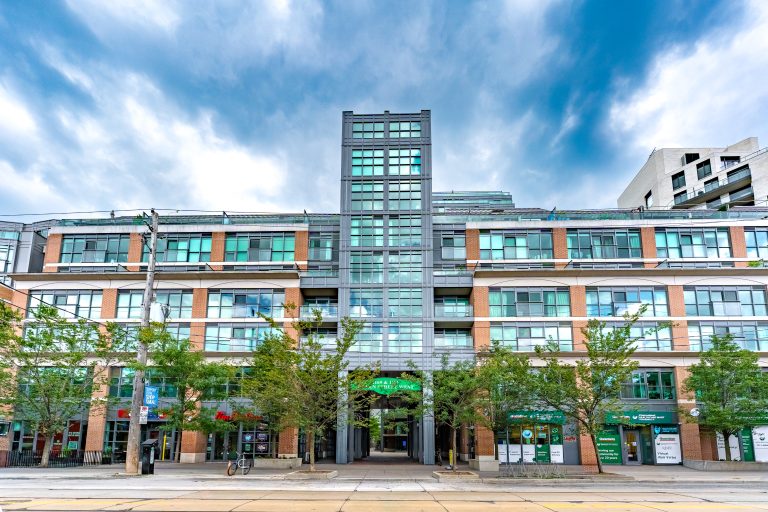

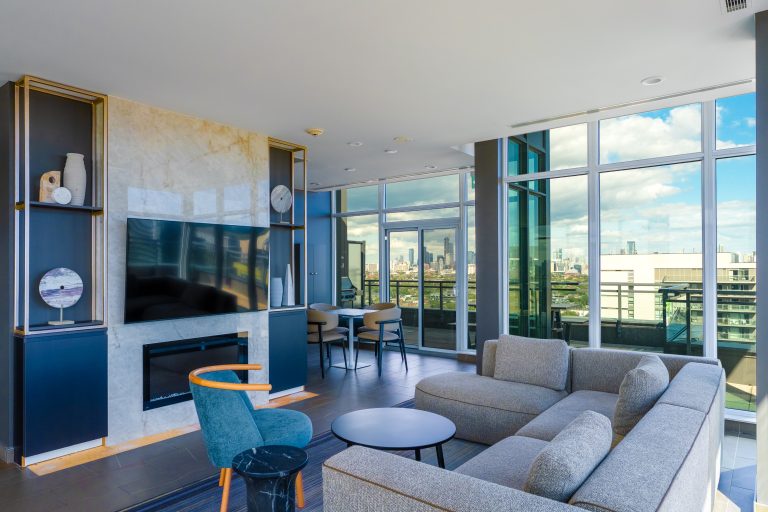
At Visaro, our team provides real estate photography and video for agents across the GTA: HDR photography, cinematic video, floor plans and virtual tours, with standard delivery in 48 hours so listings go live on schedule. Photography packages start at $169 + HST (up to 25 photos in Essential) and scale to estate-level coverage; see packages and pricing for every home size. For budgets, see our 2026 GTA pricing guide. To compare formats, read photography vs. videography in Toronto, and to vet any provider, use our 7 questions to ask a real estate photographer.
A quick check before you publish phone-shot media
- Would this photo make a stranger book a showing, or only confirm the home exists?
- Is the lighting even from room to room, and are the walls straight?
- Is everything landscape for the MLS, with a separate vertical cut for social?
- Does every image accurately show the home, with any virtual staging clearly labelled?
- Would you be proud to have this at the top of your feed in two years?
If you hesitated on any of these, that is the signal to bring in a team.
I hired Visaro for real estate photography and couldn't be happier with the results. The photos were sharp, well-lit, and made the property look its absolute best — exactly what you want when you're trying to attract buyers fast. Communication was easy throughout, turnaround was quick, and it was clear this is a team that actually cares about getting the shot right, not just checking a box.
Perfection, Captured.
Let our team handle the photos, video and delivery, so you can focus on the client.
Frequently asked questions
Does professional real estate photography help a home sell for more?
Evidence suggests it helps. Redfin's 2013 analysis found professionally photographed homes in the $200,000 to $1 million range sold for $3,400 to $11,200 more relative to list price, and faster in some price tiers. Results vary with price, condition and market, so treat it as a strong correlation rather than a guarantee.
Is professional real estate photography worth it?
For most listings, yes. In NAR's 2025 survey, 81% of buyers who searched online called listing photos very useful, more than any other listing feature, and homes that sold within two weeks received a median 100% of their asking price. Your listing media also stays on your website and social feeds as part of your brand. Visaro photography packages start at $169 + HST; see packages and pricing.
Can't I just use my phone for listing photos?
You can, and some listings get away with it. The risks are inconsistent lighting, distorted rooms, mixed formats and uneven quality across listings, all of which reflect on your brand as well as the home. For anything you want to stand out, a planned professional shoot is the safer investment.
Why do some agents only allow their own media team to photograph listings?
Usually for brand consistency, accountability, clear usage rights and control of the first impression. One team means one standard, one deadline and clear licensing across the MLS, websites and social channels.
Is it okay to use AI or virtual staging on listing photos in Ontario?
It is allowed within limits. RECO's October 2026 guidance says AI-modified images, including virtual staging, must accurately reflect the property's permanent features and be clearly labelled as digitally altered. MLS® rules also prohibit altered images that inaccurately depict the property.
How much does real estate photography cost in the GTA?
Prices depend on the property's size, the services booked and travel distance. See current packages and pricing, or read our 2026 GTA pricing guide for a full breakdown of photos, video, floor plans and more.
Sources
- National Association of REALTORS®, 2025 Profile of Home Buyers and Sellers. Supports: photo usefulness, search length, time on market vs. price.
- National Association of REALTORS®, 2024 Profile of Home Buyers and Sellers. Supports: agent reputation as the top selection factor.
- National Association of REALTORS®, 2025 Profile of Home Staging. Supports: importance of photos and video to clients.
- Redfin, Professional Real Estate Photos Pay Off, reporting its 2013 study. Supports: price, speed and sharpness findings.
- Zillow Research, How Listing & Home Characteristics Impact Days on Market (2015). Supports: photo count and sale probability.
- Benefield, Cain and Johnson, Property Price, Time-on-Market, and Photo Depictions in a Multiple Listing Service, Journal of Real Estate Finance and Economics.
- CREA, Five Photos Your Listing Might Be Missing (2020). Supports: REALTOR.ca photo engagement.
- REAL Trends via DMAR, New Study Highlights Importance of Photography in Real Estate Listings (2015). Supports: photo quality and agent brand.
- NAR REALTOR® Magazine, Are You "Catfishing" Buyers With Picture-Perfect Real Estate Photos? (February 2026).
- RECO, Bulletin 5.3: Advertising Online and Guidance on the Use of Artificial Intelligence (October 22, 2026).
- PropTx, MLS® Rules, Article 5 (advertising and images).
- NAR, The 5 C's for Making Powerful Marketing Videos (December 2025).
- Wisconsin REALTORS® Association, Five Best Photo Tips for Real Estate Agents (2023).
Statistics are quoted from the publications linked above. Figures reflect the dates and markets of each study and may not predict results for any individual listing. Photos in this article are Visaro work; virtual staging examples are digitally altered and labelled as such.